Roofing
How Long Does a Shingle Roof Last? (7 Key Factors)
When homeowners start thinking about a roof replacement, one of the first questions that comes up is a simple one: how long does a shingle roof last? The honest answer is that it depends, and that dependency is what makes this question worth understanding in detail. A shingle roof installed correctly with quality materials can last 25 to 30 years or more. The same home with a rushed installation, poor ventilation, or neglected roof maintenance might need replacement in 15. Understanding shingle lifespan and what drives that difference puts you in a much better position to protect your investment. If you’re trying to understand what a professionally installed roof looks like before making any decisions, that context matters.
Here’s what this blog covers:
- How long shingle roofs typically last: Realistic ranges by shingle type
- The 7 key factors: What determines where your roof falls in that range
- How Midwest climate affects lifespan: What Quad Cities homeowners need to know
- Signs your roof is aging: What to look for before it becomes an emergency
- How to get more years out of your roof: Maintenance that actually makes a difference
We’re proud to serve homeowners in Bettendorf, IA, and nearby communities with roofing, siding, storm damage repair, and more.
Realistic Lifespan Ranges by Shingle Type

Before getting into what affects shingle lifespan, it helps to know what the baseline looks like for each shingle type. These ranges assume correct installation and reasonable roof maintenance.
| Shingle Type | Typical Lifespan |
| 3-Tab Asphalt Shingles | 15 to 20 years |
| Architectural Asphalt Shingles | 22 to 30 years |
| Premium Luxury Shingles | 25 to 35 years |
| Impact-Resistant Shingles | 20 to 30+ years depending on storm exposure |
These are general benchmarks, not guarantees. A 3-tab asphalt shingle roof in a sheltered location with excellent attic ventilation and regular roof maintenance can outlast an architectural shingle roof that was installed incorrectly on a poorly ventilated attic. The factors below are what move you within, or below, those ranges.
7 Key Factors That Determine How Long a Shingle Roof Lasts
Shingle lifespan isn’t determined by one thing. It’s the result of several variables working together, and understanding each one helps you make smarter decisions at every stage of your roof’s life.
1. Shingle Type and Material Quality
The type of shingle you choose sets the ceiling on how long your asphalt shingle roof can last. Three-tab shingles are thinner and lighter, which makes them more affordable upfront but more vulnerable to weather stress over time. Architectural shingles use a multi-layer laminated construction that adds thickness, weight, and durability. Premium luxury shingles push that further still, with heavier construction and longer manufacturer warranties. Starting with a better product is the single most straightforward way to extend expected shingle lifespan.
2. Installation Quality
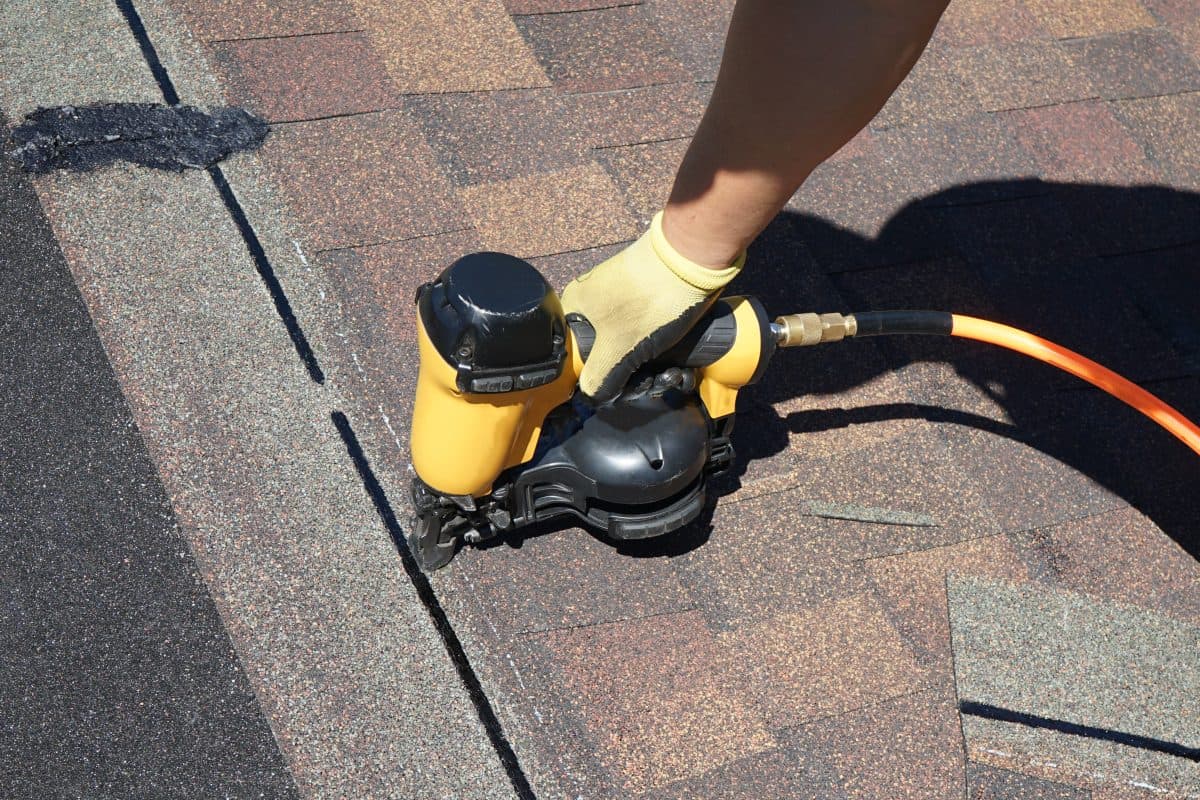
Even the best shingles won’t last long if they aren’t installed correctly. Improper nailing patterns, skipped underlayment steps, poorly sealed flashing, and inconsistent starter shingle placement all create vulnerabilities that weather finds over time. Most roof failures trace back to installation errors rather than product defects, which is why choosing a certified roofing contractor matters more than many homeowners realize. A roofing contractor who follows manufacturer specifications in full is protecting not just the shingles but the warranty coverage that comes with them.
3. Attic Ventilation
This is one of the most overlooked factors in shingle lifespan, and one of the most consequential. According to the Asphalt Roofing Manufacturers Association, proper attic ventilation protects against shingle deterioration and roof system damage by reducing heat buildup and removing moisture before it compromises the roofing system. Without adequate roof ventilation, trapped heat essentially bakes the underside of the roof deck in summer while poor attic ventilation in winter contributes to ice dam formation that stresses shingles and flashing from below.
4. Climate and Weather Exposure
Where you live has a direct impact on how long your shingle roof lasts. In the Quad Cities, that means contending with freeze-thaw cycles that stress shingles through repeated expansion and contraction, spring hailstorms that strip granules and bruise shingle mats, high summer UV exposure that dries out the asphalt layer, and wind events that test the bond strength of every tab and sealant strip on the roof. Midwest homeowners generally get fewer years out of a given shingle type than homeowners in more temperate climates, which makes installation quality and material selection even more important as a starting point.
5. Roof Pitch and Design
- Steeper pitches: Shed water faster, allow less standing moisture, and generally experience less accelerated aging than low-slope roofs.
- Low-slope sections: Accumulate more debris, hold moisture longer, and put more stress on underlayment and flashing over time.
- Valleys and penetrations: Areas where two roof planes meet or where vents and chimneys penetrate the roof deck are the most vulnerable points on any roof design.
- Complexity: More complex roof designs with multiple angles, dormers, and intersections create more flashing points that require precise installation and regular roof inspection.
6. Roof Maintenance and Inspection History
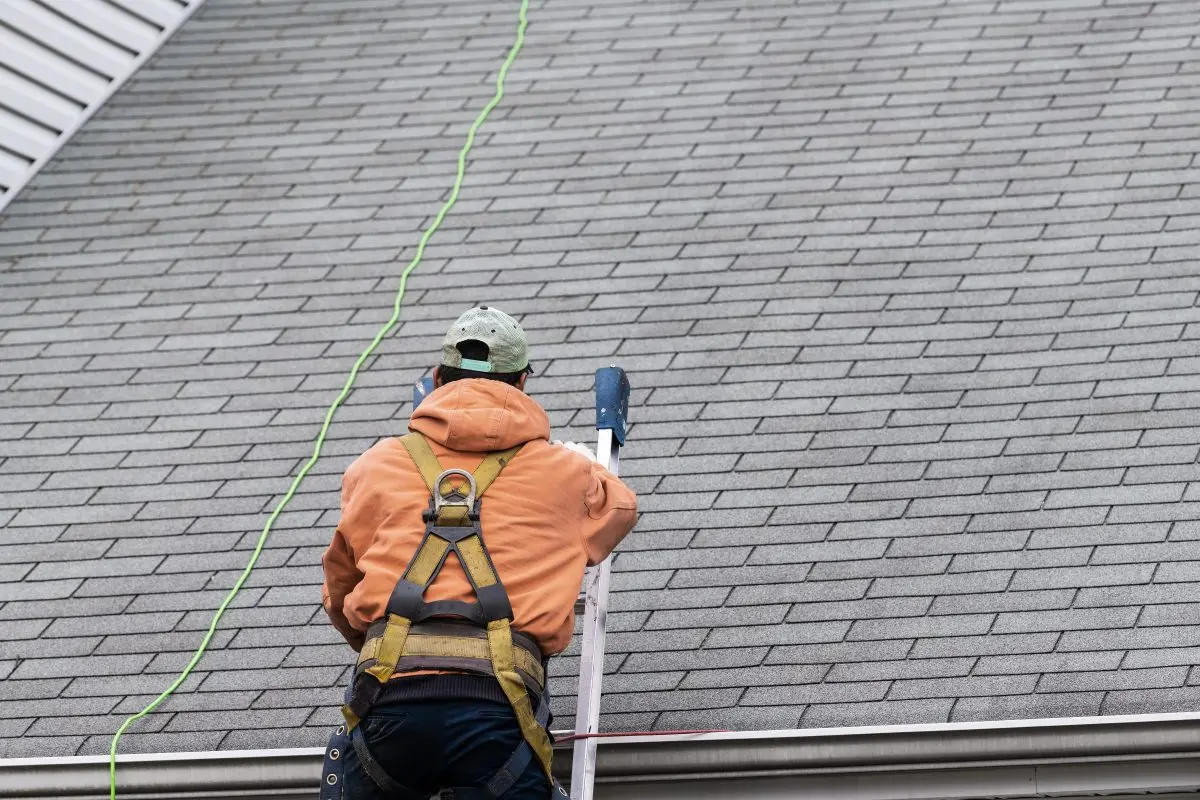
A roof that gets regular attention will consistently outlast one that’s ignored until something goes wrong. Debris accumulation in valleys traps moisture. Clogged gutters back up and compromise the edge of the roof deck. Minor flashing issues that would cost very little to fix become major leak sources when left alone through multiple seasons. Annual roof inspections by a qualified roofing contractor catch these issues while they’re still minor and add meaningful years to the overall shingle lifespan.
7. Color and Sun Exposure
Shingle color affects how much heat a roof absorbs. Darker shingles absorb more solar energy, which raises the temperature of the shingle surface and the attic below. Over time, higher surface temperatures dry out the asphalt layer faster and accelerate granule loss. In warm or sunny climates this difference is more pronounced, but even in the Midwest, south and west-facing roof slopes age faster than north-facing ones due to greater sun exposure throughout the day.
How the Midwest Climate Specifically Affects Shingle Lifespan
Bettendorf and the broader Quad Cities region present a particular challenge for roofing materials. The combination of cold winters, wet springs, hot summers, and active storm seasons puts asphalt shingles through more stress cycles annually than many other parts of the country. Here’s what that looks like in practice:
- Freeze-thaw cycling: Water that works into small cracks or gaps freezes and expands, widening those gaps over successive winters and shortening shingle lifespan.
- Hail events: The Midwest sits within a region prone to hail, and even moderate events cause granule loss that accelerates aging of the asphalt shingle roof.
- Ice dams: Poor attic ventilation combined with cold winters creates ice dam conditions that force water back under shingles and into the roof deck.
- Wind: Spring and summer storm systems regularly produce winds capable of lifting shingle tabs that aren’t properly sealed, creating gaps that allow moisture entry and triggering the need for roof inspection.
Signs Your Shingle Roof Is Nearing the End of Its Lifespan
Knowing what aging looks like helps you plan a roof replacement ahead of time rather than react to an emergency.
- Curling or cupping shingles: Shingle edges that curl upward or tab centers that cup downward indicate the asphalt layer is drying out and shingle lifespan is running short.
- Significant granule loss: Bare spots on shingle surfaces or heavy granule deposits in gutters after normal rain events signal that protective layers are depleted on your asphalt shingle roof.
- Cracked or brittle shingles: Shingles that crack when flexed have lost the elasticity needed to handle temperature changes without failing.
- Visible daylight in the attic: Any light visible through the roof deck indicates a serious breach that needs immediate attention from a roofing contractor.
- Sagging sections: A roof deck that appears to sag or dip between rafters suggests moisture damage to the underlying structure.
- Frequent repairs: If the same areas keep developing issues, the roof system as a whole is likely past the point where repairs are more cost-effective than a new roof replacement.
Common FAQs About Shingle Roof Lifespan
Homeowners tend to have similar questions when they start thinking about their roof’s age and condition. Here are the ones that come up most often.
Do 30-year shingles actually last 30 years?
Not always. The 30-year figure refers to the warranty period under ideal conditions, not a guarantee of shingle lifespan in every climate and installation scenario. In a demanding Midwest climate with average roof maintenance, architectural shingles often perform well for 22 to 28 years. Getting to or beyond 30 years typically requires above-average installation quality, good attic ventilation, and consistent roof maintenance throughout the roof’s life.
How do I know if my roof needs replacement or just repairs?
The answer depends on how widespread the damage is and how old the asphalt shingle roof is. Isolated damage on a roof that’s 10 years old is usually a repair situation. Widespread granule loss, multiple failing areas, or any significant damage on a roof that’s already 20 or more years old is usually a roof replacement conversation. A roofing contractor can assess the percentage of the roof surface that’s compromised and give you an honest recommendation based on what the roof inspection reveals.
Does insurance cover an aging roof?
Coverage depends on your policy and the cause of the damage. Most homeowners insurance covers sudden, storm-related damage regardless of roof age, though some policies reduce payouts on older roofs based on depreciation schedules. Wear and age alone are generally not covered perils. Knowing your policy’s terms before a storm hits is far better than finding out after the fact.
How often should I have my roof inspected?
Once a year is the standard recommendation for a roof inspection, with an additional inspection after any significant storm event. Annual inspections catch minor issues before they compound and give you an ongoing picture of where your asphalt shingle roof stands in its shingle lifespan so replacement doesn’t catch you off guard.
Can I extend my roof’s lifespan with maintenance alone?
Regular roof maintenance can meaningfully extend shingle lifespan, particularly for roofs that are well-installed and made from quality materials. Keeping gutters clear, removing debris from valleys, addressing minor flashing issues promptly, and maintaining attic ventilation all contribute to getting more years out of the existing roof system. Maintenance can’t reverse granule loss or repair an aging asphalt layer, but it can prevent secondary damage that often accelerates roof replacement timelines.
Jansen Roofing Helps Quad Cities Homeowners Get the Most From Their Roofs
Understanding how long a shingle roof lasts is only useful if you act on that knowledge before problems compound. At Jansen Roofing, we’ve been inspecting, repairing, and replacing roofs across the Quad Cities since 1988, and we give every Bettendorf homeowner a straight answer about where their asphalt shingle roof stands and what makes sense next. As a CertainTeed Premier Contractor, we install materials that are built to perform at the high end of their rated shingle lifespan, and our licensed crews follow installation specifications that protect both the product and the warranty. When you’re ready for an honest roof inspection, contact our team to schedule your free assessment.