Roofing
3 Tab vs Architectural Shingles: 7 Key Differences to Know in 2026
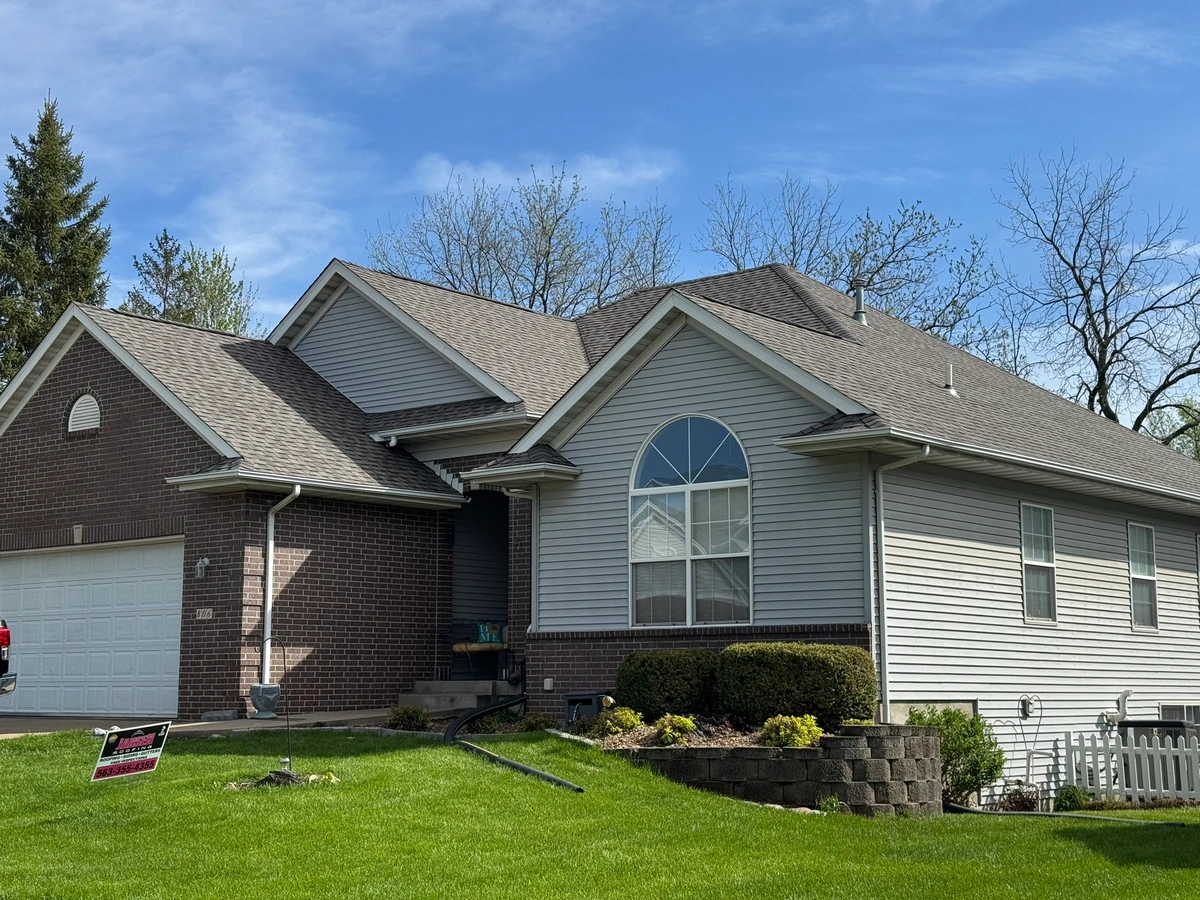
When it’s time to replace your roof, one of the first decisions you’ll face is choosing between shingle types. For most homeowners, that conversation comes down to 3 tab vs architectural shingles. Both are asphalt-based, both are widely available, and both will get the job done at a basic level, but they’re not the same product, and the differences between them have a real impact on how long your roof lasts, what it costs, and how it looks sitting on top of your home. If you’re weighing your options ahead of a roofing project in Bettendorf or anywhere across the Quad Cities, this breakdown will help you make a more informed call.
Here’s what this blog covers:
- What each shingle type is: How 3 tab and architectural shingles are constructed
- The 7 key differences: A side-by-side breakdown of what sets them apart
- Cost considerations: What each option typically costs and why
- Which shingle fits which home: How to match the product to your situation
- What to ask your roofing contractor: Questions worth raising before you commit
We’re proud to serve homeowners in Bettendorf, IA, and nearby communities with roofing, siding, windows, and more.
Understanding the Two Shingle Types
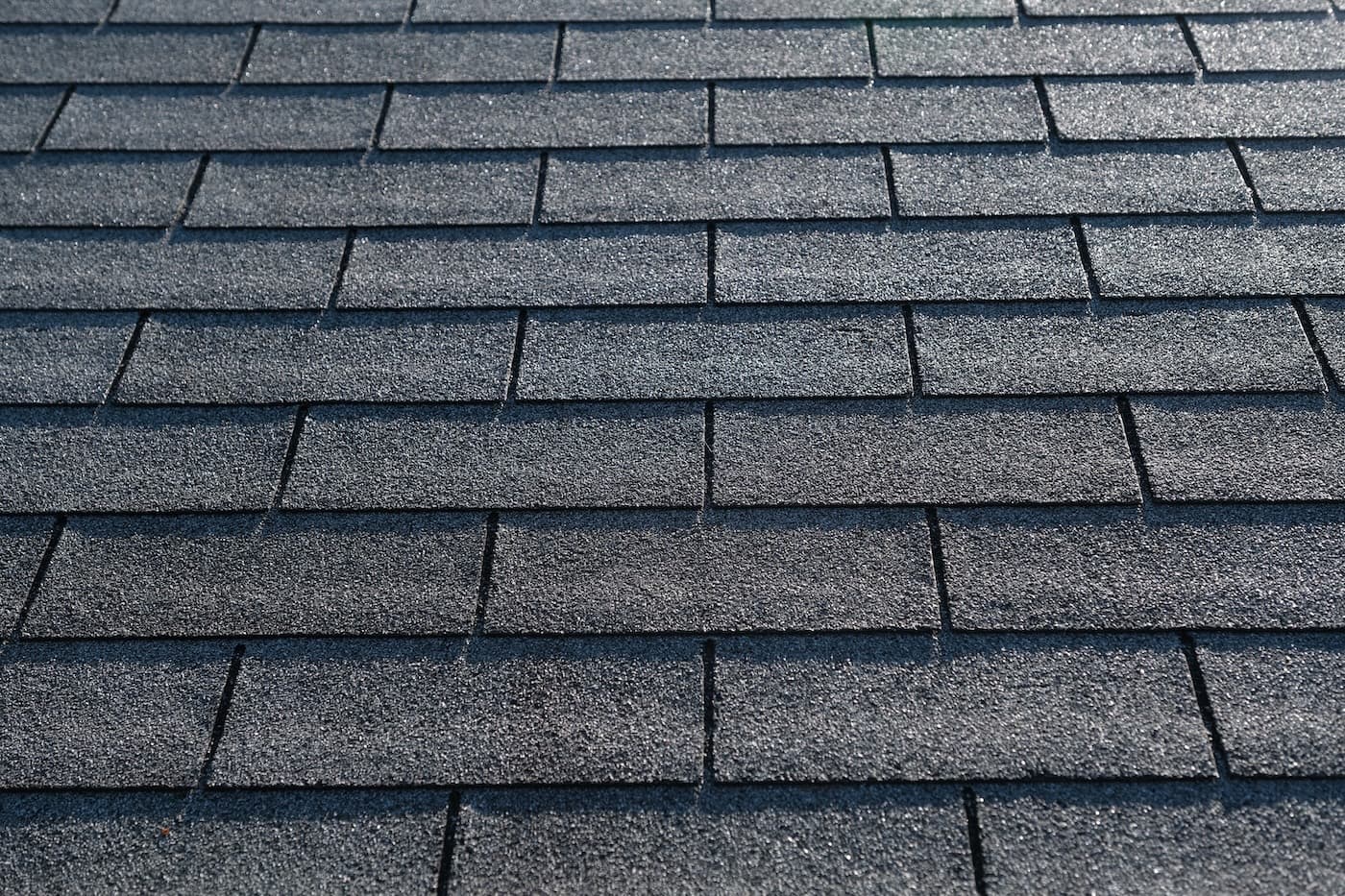
Before getting into the differences, it helps to understand what each product actually is. Three tab shingles are the older, simpler design. They’re a single layer of asphalt with three uniform cutouts along the bottom edge, giving the finished roof a flat, consistent look. Architectural shingles, also called dimensional or laminated shingles, are made with multiple bonded layers that create depth, texture, and a more varied visual profile. According to the Asphalt Roofing Manufacturers Association, architectural shingles are now the most common type of asphalt shingle used in residential roofing, favored by builders, roofing contractors, and homeowners alike for their balance of performance and appearance.
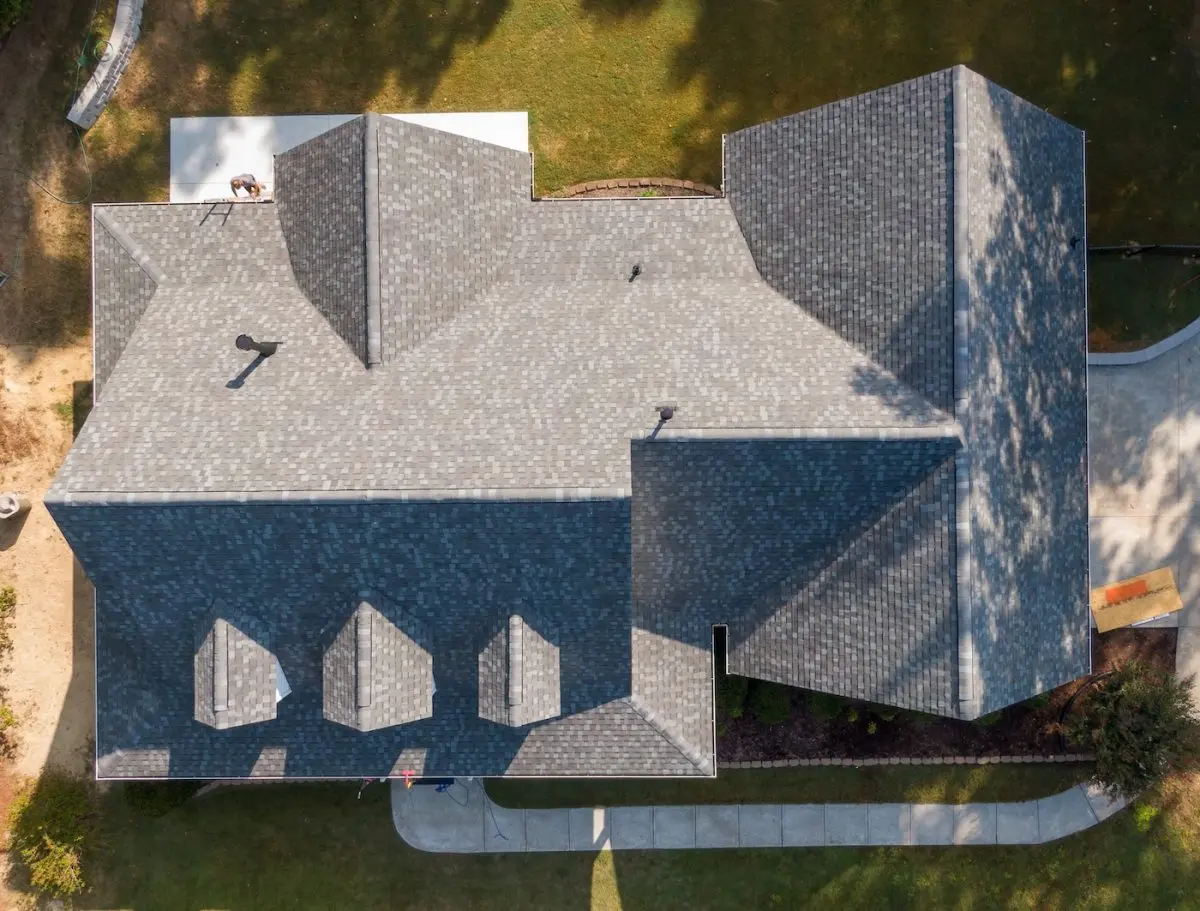
Both types are made from the same core materials, fiberglass mat, asphalt, mineral granules, and fillers, but how those materials are layered and how much of them goes into each shingle is where the real differences begin.
7 Key Differences Between 3 Tab and Architectural Shingles
Choosing between these two products isn’t just a budget decision. It affects durability, warranty coverage, wind resistance, and the long-term value of your home. Here are the seven differences that matter most heading into 2026.
1. Thickness and Construction
Three tab shingles are a single-layer product. They’re lightweight and relatively thin, which makes them easier and faster to install but also less capable of standing up to repeated weather stress over time. Architectural shingles use a laminated, multi-layer construction that adds significant weight and rigidity. That added thickness is what gives them both their dimensional look and their structural advantage in wind and impact events.
2. Lifespan
This is where the gap between the two products becomes most apparent to homeowners over time.
- Three tab shingles: Typically last 15 to 20 years under normal conditions, with the Midwest’s freeze-thaw cycles often pushing them toward the lower end of that range.
- Architectural shingles: Generally last 25 to 30 years with proper installation and ventilation, giving homeowners a significantly longer window before the next replacement cycle.
- Impact on long-term costs: Investing in durable materials like architectural shingles reduces long-term costs by extending the time between replacements and limiting how often repairs become necessary.
- Climate factor: In regions like the Quad Cities, where seasonal storms and temperature swings are the norm, the durability gap between the two products is more pronounced than in milder climates.
3. Wind Resistance
Three tab shingles are thinner and lighter, which makes them more vulnerable to wind uplift, particularly along the edges and at the tab cutouts. Most are rated to withstand winds up to 60 mph. Architectural shingles, because of their heavier multi-layer construction and stronger sealant strips, typically carry wind ratings of 110 mph or higher, with premium versions reaching 130 mph. For homeowners in storm-prone areas, this difference is not a minor detail.
4. Appearance and Curb Appeal
- Three tab shingles: Create a flat, uniform look across the roof surface. Clean and functional, but not particularly distinctive.
- Architectural shingles: Offer a dimensional, textured appearance that mimics the look of wood shake or slate at a fraction of the cost.
- Color and style options: Architectural shingles come in a wider range of colors, profiles, and shadow lines, giving homeowners more control over the finished look.
- Home value: A roof replacement with architectural shingles tends to have a stronger positive impact on curb appeal and resale value than one done with three tab products.
5. Cost
Three tab shingles cost less per square than architectural shingles, typically running 10 to 20 percent lower in material costs. That difference narrows when you account for the longer lifespan of architectural shingles, which reduces how often you’re paying for another replacement. Roofing material choice significantly impacts overall replacement costs both upfront and across the full life of the roof, so it’s worth running the numbers on both options before defaulting to the cheaper product.
| Feature | 3 Tab Shingles | Architectural Shingles |
| Construction | Single layer | Multi-layer laminated |
| Lifespan | 15 to 20 years | 25 to 30 years |
| Wind resistance | Up to 60 mph | 110 to 130 mph |
| Cost per square | Lower | Moderate to higher |
| Appearance | Flat, uniform | Dimensional, textured |
| Warranty length | Shorter | Longer |
| Best for | Budget replacements | Long-term investment |
6. Warranty Coverage
Warranty length follows lifespan. Three tab shingles generally come with shorter manufacturer warranties, often in the 20 to 25 year range, while architectural shingles frequently carry lifetime limited warranties that provide coverage for as long as the original homeowner owns the home. Workmanship warranties from the installing contractor apply to both, but the material warranty on architectural shingles is meaningfully stronger documentation to have if something goes wrong.
7. Installation Requirements
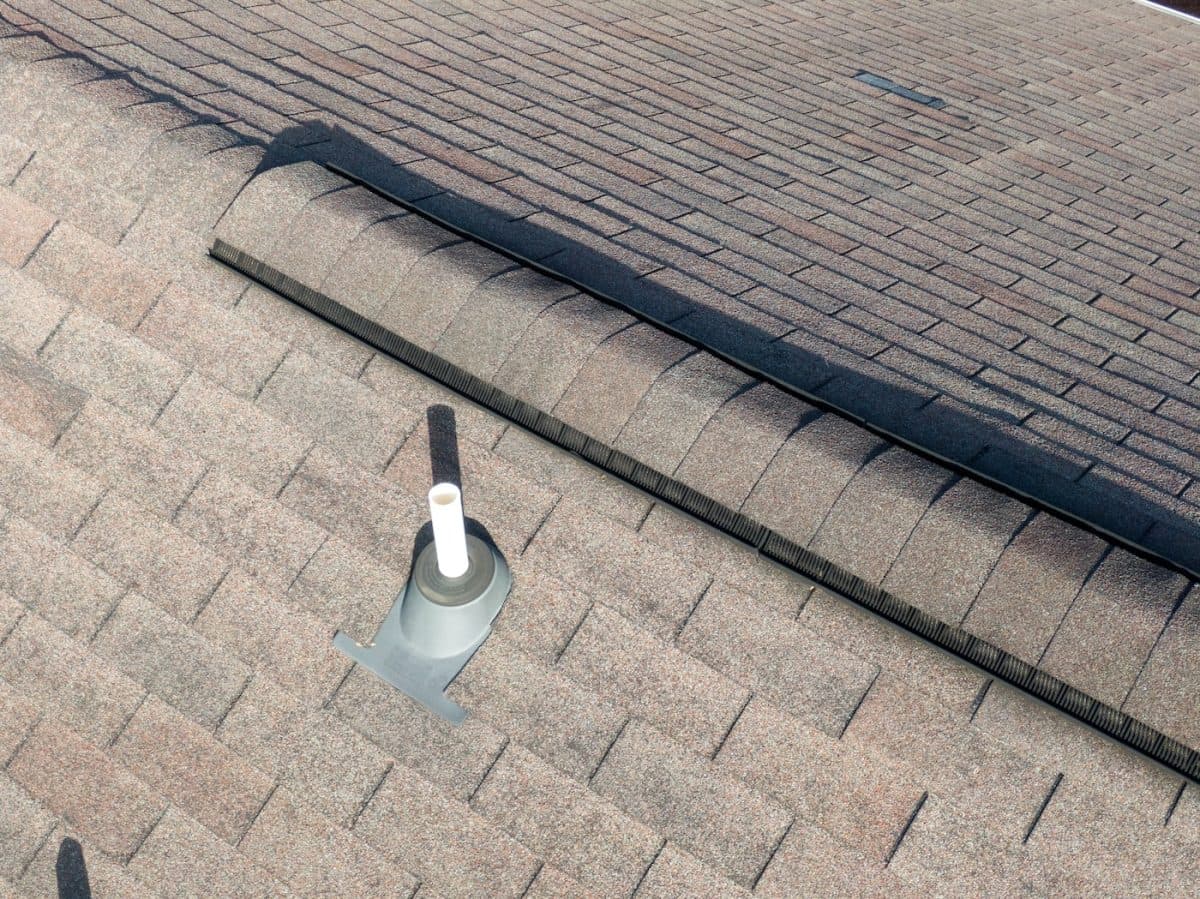
Both shingle types are installed using similar methods, but architectural shingles require more attention to nailing patterns due to their heavier weight and multi-layer construction. A roofing contractor who is familiar with manufacturer specifications for architectural products will know exactly where fasteners need to go to preserve both the warranty and the wind resistance rating. This is one reason why choosing a certified contractor matters more than many homeowners realize.
Which Shingle Is Right for Your Home
Neither product is universally the wrong choice, but the right answer depends on your priorities.
Three tab shingles make sense if you’re working within a tight budget, your home is a rental or short-term hold, or the existing structure is already nearing the end of its useful life and you’re not planning a long-term investment. They get the job done at a lower upfront cost.
Architectural shingles are the better call for most homeowners who plan to stay in their home for more than a decade, want to maximize resale value, or live in an area with regular wind and storm exposure. The Quad Cities climate, with its history of spring storms, hail, and wide temperature swings, tends to push the math toward the more durable option.
Common FAQs About 3 Tab vs Architectural Shingles
Choosing between shingle types raises a lot of questions, especially for homeowners who haven’t been through a roof replacement before. The answers below cover what comes up most often when Quad Cities homeowners are weighing their options. If your question isn’t here, it’s always worth bringing it up directly with your roofing contractor before signing anything.

Can architectural shingles be installed over three tab shingles?
In many cases, yes. Most building codes allow up to two layers of shingles on a residential roof. However, a full tear-off is often the better decision if the existing layer is deteriorated, the roof deck has damage, or you’re adding the heavier weight of architectural shingles on top of a structure that wasn’t designed to carry it. Your roofing contractor should evaluate the deck condition before recommending either approach.
Do architectural shingles require different underlayment?
The underlayment requirements are similar for both types, but heavier architectural shingles often benefit from a higher-grade synthetic underlayment for added protection. Manufacturer installation guidelines will specify what’s required to keep the warranty valid, and a certified contractor will follow those specs precisely.
Will architectural shingles reduce my insurance premium?
Some insurance carriers offer premium discounts for impact-resistant shingles rated at Class 4, which is the highest level under UL 2218 testing. Not all architectural shingles carry that rating, so it’s worth asking your roofing contractor which products qualify and confirming with your insurance provider before making a final material selection.
How do I know which option fits my budget?
Get a written estimate for both and ask your contractor to break out the material costs separately from labor. Then factor in the difference in expected lifespan. A three tab roof that needs replacement in 18 years versus an architectural roof that lasts 28 years changes the true cost comparison significantly. The upfront savings on three tab shingles often narrow or disappear when you account for the full replacement cycle.
Ready to Choose the Right Roof? Jansen Roofing Can Help
Understanding the difference between three tab and architectural shingles is step one. Getting the installation right is what actually makes the difference for your home. At Jansen Roofing, we walk every Bettendorf homeowner through their material options before a single shingle comes off the old roof, because the right product for your home depends on your budget, your timeline, and your goals. As a CertainTeed Premier Contractor with over 35 years serving the Quad Cities, we install roofing materials that meet rigorous quality standards and carry warranty coverage that reflects the work. When you’re ready to move forward, contact our team to schedule your free estimate.