Roofing
9 Signs You Need Fascia and Soffit Repair Before Winter Hits
Most homeowners walk past their fascia and soffit every day without giving them a second thought. They sit quietly at the roofline, doing their job, until they stop doing it well. By then, the damage is usually more than cosmetic. Understanding the signs that point to fascia and soffit repair before winter arrives is one of the most cost-effective things a Rock Island homeowner can do heading into the Midwest cold season. The right time to address soffit repair and fascia board damage is before the first freeze, not after. You can learn more about what a professionally installed exterior looks like before scheduling any work.
Here’s what this blog covers:
- What fascia and soffit actually do: Why they matter beyond appearances
- The 9 signs to look for: What indicates repair is overdue before winter
- Why winter makes damage worse: How cold weather compounds existing problems
- Material options for repair: What to expect when replacing damaged sections
- What to do next: How to get the process started before the season changes
We’re proud to serve homeowners in Rock Island, IL, and nearby communities with roofing, siding, soffit, fascia, and more.
What Fascia and Soffit Actually Do
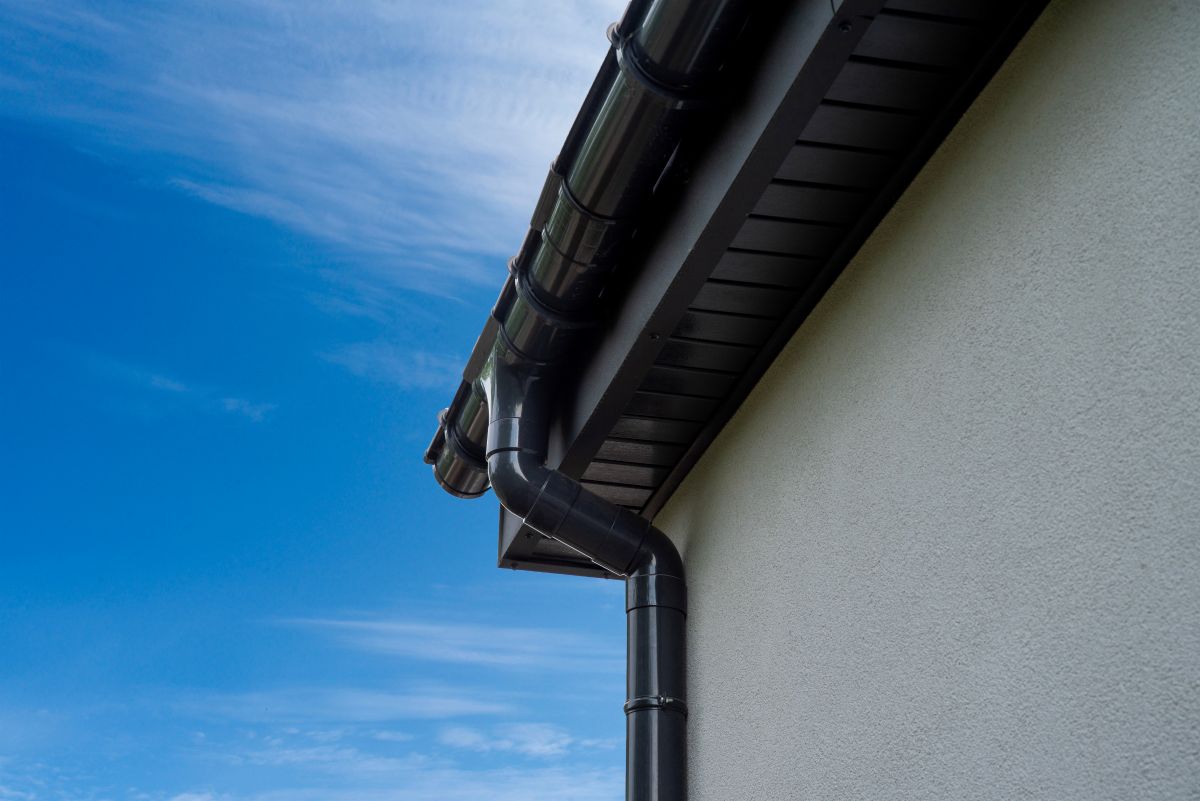
Before getting into the signs of damage, it helps to understand what these components are responsible for. The fascia board is the horizontal board that runs along the lower edge of the roof’s overhang, directly behind the gutters. It provides structural support for the gutter system and seals the gap between the roof edge and the exterior wall. Soffit panels cover the underside of the roof’s overhang, bridging the gap between the fascia board and the exterior wall of the home.
Together, they protect the rafters, roof deck, and attic from moisture and pests while allowing the ventilation that keeps attic temperatures and humidity levels in check. Controlling moisture in your home prevents damage to furnishings and structure and helps avoid potential health problems, according to the U.S. Environmental Protection Agency, which is exactly what functioning fascia and soffit are designed to do. When either component fails, moisture finds its way into places it was never supposed to reach.
The Role Each Component Plays
- Fascia boards: Support the lower edge of the roof’s overhang, anchor the gutter system, and seal the roofline against water and pests entering from the exterior.
- Soffit panels: Cover and protect the rafter tails, provide attic ventilation through perforated vents, and prevent birds and insects from accessing the space beneath the roof overhang.
- Soffit vents: Allow warm, moist air to exit the attic in summer and prevent ice dam conditions from developing in winter by maintaining balanced airflow.
- The combined system: When fascia and soffit work correctly together, they extend the life of the roof, protect the structure from moisture intrusion, and keep energy costs lower through better attic ventilation.
9 Signs You Need Fascia and Soffit Repair Before Winter
None of these signs get better on their own, and all of them get worse once Midwest winter conditions set in. Catching them now, before temperatures drop, is the difference between a manageable soffit repair or fascia board replacement and a significantly larger project.
1. Visible Rot or Soft Spots
Wood fascia and soffit panels that have been exposed to repeated moisture cycles eventually rot from the inside out. Press on any section that looks discolored or weathered. If the material feels soft, spongy, or gives way under light pressure, rot has set in and the board needs to be replaced, not patched. Rotted wood fascia compromises the gutter attachment and leaves the rafter tails vulnerable to further moisture damage through the winter months.
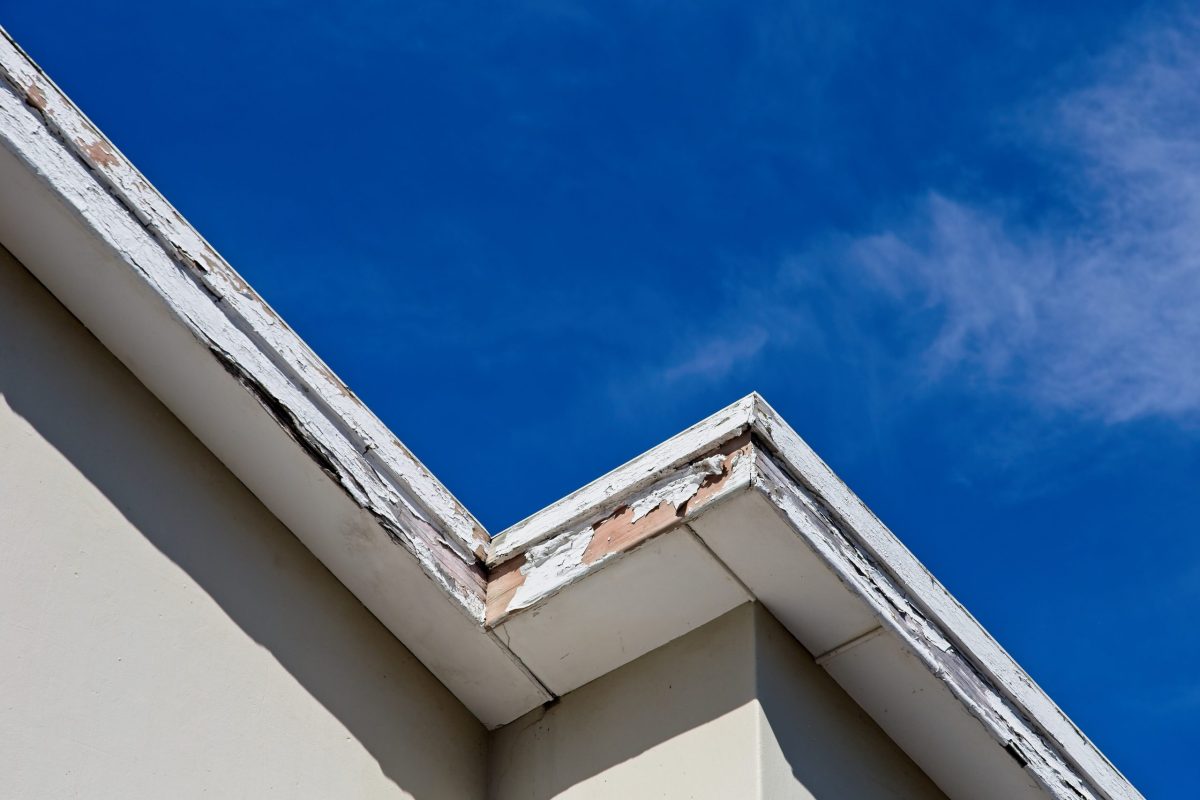
2. Peeling or Bubbling Paint
Paint peeling away from fascia boards isn’t just a cosmetic issue. It’s one of the earliest visible signs that moisture is working its way into the wood beneath. When the paint film loses adhesion, it typically means the wood fascia has been cycling through wet and dry conditions repeatedly enough that the surface can no longer hold a finish. In Rock Island’s climate, leaving peeling fascia board unaddressed heading into fall almost guarantees accelerated deterioration through the freeze-thaw cycles of winter and spring.
3. Gaps or Cracks Along the Roofline
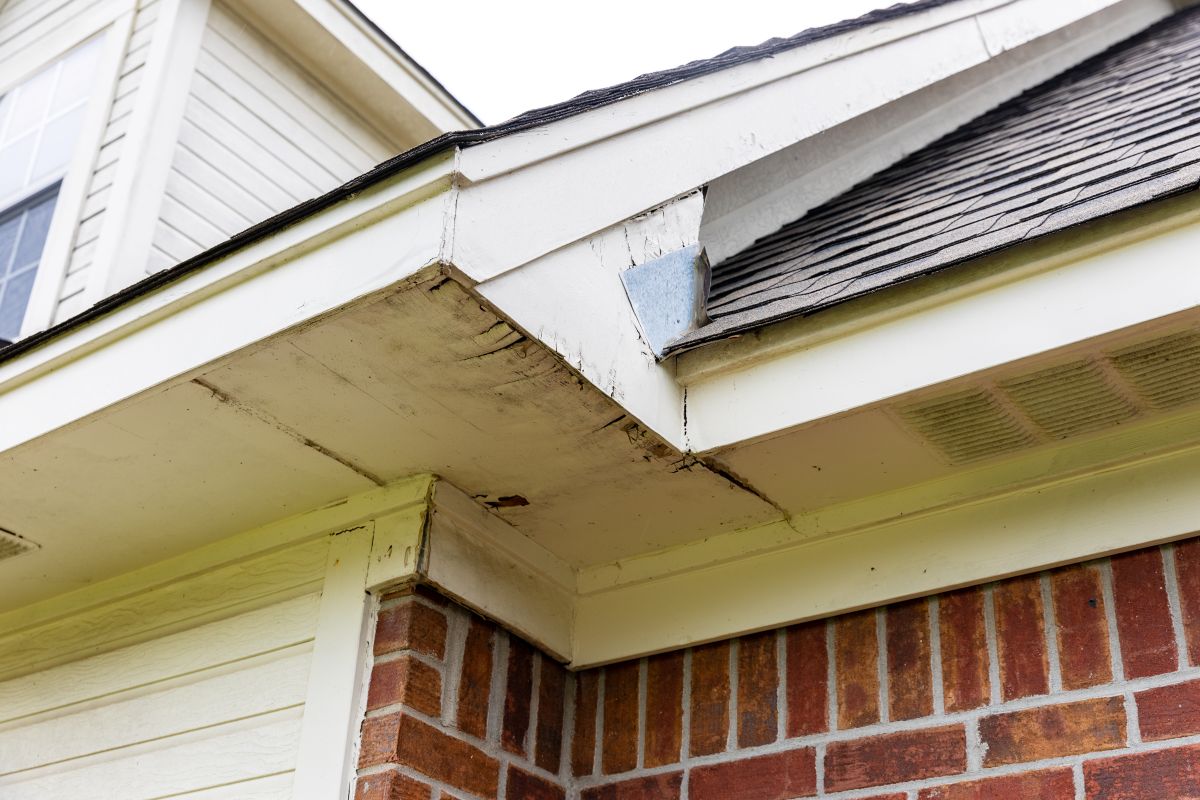
Any visible gap between the fascia board and the roof edge, or between soffit panels, is an open invitation for moisture and pests. Squirrels, birds, bats, and insects actively look for these entry points in fall as temperatures drop, and once they’re in, the damage they cause inside the eave space compounds quickly. Gaps that appear small from the ground are often larger than they look and allow more airflow, moisture, and wildlife access than homeowners expect.
4. Water Stains or Moisture Damage on Interior Walls or Ceilings
If water staining appears on interior walls or ceilings near the roofline, fascia and soffit repair may already be overdue. Water that gets behind a damaged fascia board can travel along the rafter and work its way into the interior wall cavity or ceiling before it ever appears as a visible drip. By the time staining shows up inside, the moisture has usually been present for longer than the stain suggests.
5. Sagging or Warped Soffit Panels
Soffit panels that are visibly bowing, sagging, or pulling away from the fascia board have absorbed enough moisture to lose their structural integrity. This type of deformation indicates that the soffit panel material, whether wood soffit, vinyl, or aluminum soffit, has been compromised. Sagging soffit panels also signal that the ventilation function of the system is likely impaired, which accelerates attic moisture buildup and contributes to ice dam formation once cold weather arrives.
6. Blocked or Damaged Soffit Vents
Soffit vents that are clogged with debris, paint, or insulation pushed from inside the attic create the same problem as having no ventilation at all. Warm, moist air from the living space rises into the attic and has nowhere to go, raising humidity levels that promote mold growth on the underside of the roof deck. Before winter, every soffit vent should be clear and functioning. This is one of the most commonly overlooked items when it comes to soffit repair and general exterior maintenance.
7. Gutter Pulling Away From the Fascia
Gutters that are visibly separating from the roof’s overhang, sagging, or pulling the fascia board forward are often doing so because the wood fascia behind them has rotted to the point where it can no longer hold the gutter fasteners. The gutter looks like the problem, but the fascia board is what’s failing underneath it. Replacing the gutter without addressing the fascia installation is a temporary fix at best, and during winter, a sagging gutter system that fills with ice creates significant load on already compromised wood fascia.
8. Pest Activity at the Roofline
Wasps building nests in the soffit space, woodpeckers working at the fascia board, or visible entry points with debris around them are all signs that your roofline has become an access point for wildlife. Pests don’t create these openings out of nowhere. They exploit gaps and weak spots that moisture damage has already created in both soffit panels and fascia boards. Addressing the pest activity without fixing the underlying structural issue means the same problem returns the following season.
9. Discoloration or Streaking on Exterior Walls Below the Roofline
Dark streaking or discoloration running down the exterior wall directly below the fascia board or soffit panels indicates that water is consistently overflowing or bypassing the gutter system and running down the wall. Over time this saturates the wood fascia and soffit, promotes mold and mildew growth on the siding, and creates conditions that make both soffit repair and fascia installation necessary sooner than they should be. If the streaking is concentrated in one area, it often points to a specific section that’s failing and channeling water incorrectly.
Why Winter Makes Fascia and Soffit Damage Worse
The Quad Cities region delivers everything that’s hardest on exterior wood components: freeze-thaw cycling, ice dams, heavy snow loads, and wind-driven rain that works into every gap and crack in soffit panels and fascia boards alike. Here’s what happens to unaddressed fascia and soffit damage once temperatures drop.
| Damage Type | What Winter Does to It |
| Wood rot in fascia board | Freeze-thaw cycling accelerates structural breakdown |
| Paint failure on wood fascia | Moisture behind failing paint freezes and expands, worsening separation |
| Gaps between soffit panels | Ice formation widens gaps and creates larger entry points in spring |
| Sagging soffit panels | Snow and ice loads cause further deformation and potential collapse |
| Blocked soffit vents | Ice dam conditions worsen without proper attic ventilation |
| Gutter separation from fascia | Ice weight pulls compromised fascia board further away from structure |
Every one of these situations is cheaper and less disruptive to address in fall than after a Midwest winter has had its way with them.
Material Options for Fascia and Soffit Repair

When damaged fascia boards or soffit panels need to be replaced, homeowners have several material choices that affect both longevity and maintenance requirements going forward.
- Wood fascia and wood soffit: Traditional option with natural appearance, but requires regular painting or staining to resist moisture. Most prone to the rot issues described above.
- Vinyl soffit: Low maintenance, moisture-resistant, and available in a range of colors. Won’t rot or require painting, but can become brittle in extreme cold and may crack under impact.
- Aluminum soffit: Durable, moisture-resistant, and holds paint well. A strong choice for homes in climates with significant temperature swings like the Quad Cities.
- Fiber cement: Highly durable and dimensionally stable, resists rot, insects, and moisture, and holds paint longer than wood fascia. Higher upfront cost but lower long-term maintenance.
The right material depends on your home’s existing exterior, your budget, and how much ongoing maintenance you’re prepared to take on. A qualified exterior contractor can help you evaluate which option makes the most sense for your specific fascia installation or soffit repair project.
Common FAQs About Fascia and Soffit Repair
Homeowners who haven’t dealt with fascia board or soffit panel issues before tend to have similar questions once they start looking into it. The answers below address what comes up most often before and after a soffit and fascia repair project.
Can I repair fascia and soffit myself?
Minor repairs, like repainting a fascia board that’s still structurally sound, are manageable for a handy homeowner. Replacing rotted wood fascia, resealing gaps between soffit panels, or addressing any section where structural integrity is compromised is better left to a licensed contractor. Improper fascia installation can create the same moisture problems you’re trying to solve, and working at roofline height carries real safety risk without the right equipment and experience.
How do I know if it’s the fascia, the gutter, or both?
In most cases, gutter problems and fascia board problems go together. Gutters that are pulling away, sagging, or leaking at the back edge are usually doing so because the wood fascia behind them has deteriorated. A contractor will assess both during inspection and give you a clear picture of what needs to be addressed and in what order.
Does homeowners insurance cover fascia and soffit damage?
Coverage depends on the cause of the damage. Storm-related damage, such as wind, hail, or falling debris that compromises soffit panels or fascia boards, is typically covered under standard homeowners policies. Damage that results from gradual wear, neglect, or rot that developed over time is generally not a covered peril. Document any damage that follows a storm event and contact your insurer promptly.
How long does fascia and soffit repair take?
Most residential soffit repair and fascia board replacement projects are completed in a single day, depending on the scope. A full soffit and fascia installation on a larger home may take two days. Your contractor should give you a clear timeline before work begins so you can plan accordingly.
Is it worth replacing wood fascia with a low-maintenance material?
For most homeowners, yes. The long-term cost of maintaining wood fascia, including regular painting, rot repairs, and eventual replacement of soffit panels and fascia boards, typically exceeds the upfront cost difference of installing vinyl soffit, aluminum soffit, or fiber cement from the start. If you’re already replacing damaged sections, it’s worth discussing material upgrades with your contractor at the same time.
Jansen Roofing Has Rock Island Covered Before the Cold Sets In
Fascia board and soffit repair doesn’t pause for winter, and neither should you. At Jansen Roofing, we’ve been handling exterior repairs across Rock Island and the broader Quad Cities since 1988, and our licensed crews know exactly what to look for in soffit panels, wood fascia, and roofline components before the season turns. As a CertainTeed Premier Contractor, we bring the same certified standards to every soffit installation, fascia repair, siding, and roofing project we take on. If you’ve noticed any of the signs above on your Rock Island home, contact our team to schedule your free estimate before winter makes it more expensive to wait.