
Roofing
7 Signs You Need Hail Damage Roof Repair After a Storm
A hailstorm can pass through in twenty minutes and leave behind damage that takes months to fully show up inside your home. The tricky part is that hail damage roof repair isn’t always obvious from the ground, and what looks like a minor cosmetic issue on the surface can be masking granule loss, cracked underlayment, or compromised flashing that leads to leaks down the road. Knowing what to look for after a storm, and when to call a roofing contractor, is one of the most useful things a homeowner can do to protect their investment.
Here’s what this blog covers:
- Why hail damage is easy to miss: What makes it different from other storm damage
- The 7 signs to look for: What indicates your roof needs attention after a storm
- What a roofing contractor looks for: The details that require a professional eye
- How hail affects asphalt shingles: What damage looks like on the most common roofing material
- What to do after a hailstorm: Your step-by-step next moves
We’re proud to serve homeowners in Eldridge, IA, and nearby communities with roofing, siding, storm damage repair, and more. If you want to understand what goes into a professionally installed roof before a storm ever hits, that foundation makes all the difference when damage does occur.
Why Hail Damage Is Different From Other Storm Damage

Most homeowners know what wind damage looks like. Missing shingles, visible gaps, and debris on the roof are hard to miss. Hail damage is more subtle, and that subtlety is exactly what makes it dangerous. A storm can pound a roof with hailstones and leave it looking mostly intact from the street while the granule layer, which protects the asphalt from UV exposure and moisture, has been stripped away in dozens of spots across the surface.
Hail causes an estimated $10 billion in annual U.S. property damage, a figure that has held for more than a decade according to the Insurance Information Institute, and roofs absorb the majority of that impact. In the Midwest, where severe spring and summer storms are a seasonal reality, Eldridge homeowners are in a region that sees more than its share of hail events annually.
Why Waiting Makes It Worse
- Granule loss accelerates aging: Once the protective granule layer is compromised, the asphalt beneath degrades faster under UV exposure, shortening the life of the entire roof system.
- Hidden moisture entry: Small cracks and punctures from hail impacts can allow water infiltration that won’t show up as an interior leak for months, by which point the damage to the roof deck and insulation is more extensive.
- Insurance claim windows: Most homeowners insurance policies cover hail damage repairs minus your deductible, but have strict filing deadlines. Waiting too long can result in a denied claim even when the damage is legitimate.
- Compounding damage: A roof weakened by hail is more vulnerable in the next storm, meaning a second weather event can turn a manageable repair into a full roof replacement. Regular maintenance helps roofs withstand storms better by catching vulnerabilities before they become liabilities.
7 Signs Your Roof Needs Hail Damage Repair
Not all hail damage looks the same, and not all of it is visible from the ground. Some signs are obvious enough to spot from the driveway while others require a trained eye on the roof surface itself. Professional inspections should occur within 48 hours after a hailstorm to document damage accurately, preserve your insurance claim, and prevent moisture from getting further into the roof system. Here are the seven indicators that your roof deserves immediate attention after a storm.
1. Dents or Bruising on Soft Metal Surfaces
Before looking at the roof itself, check the soft metal surfaces around your home. Gutters, downspouts, flashing, and the metal caps on vents and chimney covers dent easily and show hail impact clearly. If you can see round dents on any of these surfaces, your roof almost certainly absorbed similar impacts. This is one of the fastest ways to confirm a hailstorm hit your property hard enough to warrant a professional roof inspection.
2. Granules in Your Gutters or Downspouts
Asphalt shingles are coated with mineral granules that protect the underlying material from sun and weather. After a hailstorm, those granules can be knocked loose in large quantities and wash into your gutters and downspouts. If you notice a significant accumulation of grit that looks like coarse sand, that’s a reliable indicator of granule loss across your roof surface. Some granule shedding is normal as shingles age, but a heavy deposit following a storm event is a warning sign worth taking seriously.
3. Dark Spots or Exposed Asphalt on Shingles
When granules are knocked away by hail, they leave behind dark, bare spots on the shingle surface where the underlying asphalt is now exposed. From a distance these can look like shadows or discoloration, but up close they represent areas where the shingle’s protective layer is gone. A roofing contractor will look for circular patterns of granule loss that correspond to individual hail impact points, which is distinct from the irregular wear pattern of normal shingle aging.
4. Cracked, Split, or Bruised Shingles
Larger hailstones can crack or split shingles on impact, creating direct entry points for water. In other cases, the shingle surface may appear intact but feel soft or spongy when pressed, indicating the fiberglass mat beneath the granule layer has been fractured. This type of impact bruising is difficult to identify without physically inspecting the roof surface, which is one of the key reasons a professional post-storm inspection matters even when visible damage looks minor.
5. Damaged or Displaced Flashing
Flashing around chimneys, skylights, vents, and roof valleys is particularly vulnerable during hailstorms. Hail can dent, loosen, or displace flashing that was previously sealed correctly, creating gaps where water can enter the roof system. Because flashing sits at the most vulnerable intersections on a roof, even minor displacement here can result in significant interior leaks. A roofing contractor will check every flashing point as part of a thorough post-storm assessment.
6. Dented or Cracked Ridge Caps and Vents
The ridge cap running along the peak of your roof and the plastic or metal vents throughout the surface are common points of impact in a hailstorm. Plastic vents can crack on contact while metal ridge caps dent and shift out of position. Either type of damage can compromise the ventilation and sealing function those components provide, leading to moisture buildup, poor attic airflow, and energy efficiency problems if left unaddressed.
7. Interior Water Stains or Ceiling Damage
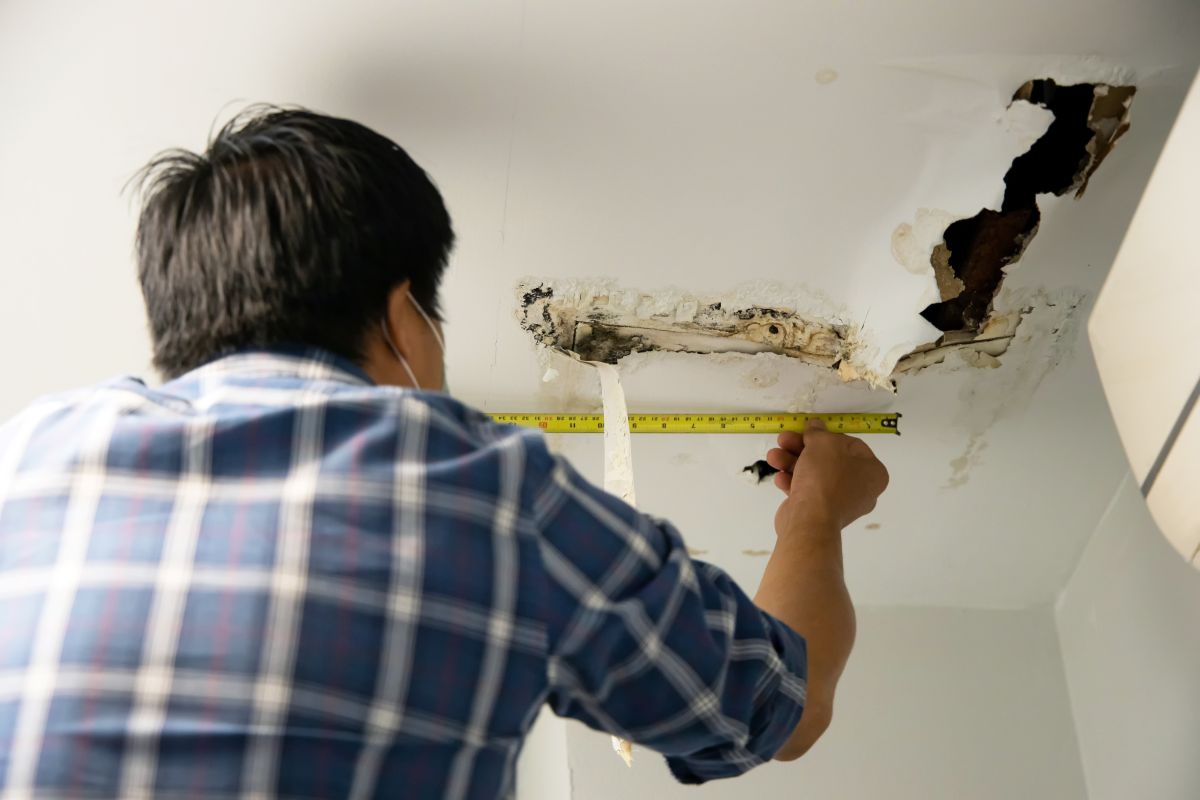
By the time hail damage shows up on your interior ceilings or walls, water has already been working its way through the roof system for some time. Staining, bubbling paint, or soft spots in drywall near the roofline are late-stage indicators that a breach has been allowing moisture in. If you notice any of these signs in the weeks following a storm, the source is very likely impact damage that wasn’t identified and repaired earlier.
What Hail Does to Asphalt Shingles Specifically
Asphalt shingles are the most common roofing material in the country, and they respond to hail in predictable ways that a trained roofing contractor knows how to identify. The impact pattern left by hail is typically circular, random in distribution across the roof surface, and concentrated on the exposed face of the shingle rather than the edges. This distinguishes hail damage from wind damage, which tends to affect shingles at the tabs and leading edges.
Hailstone size plays a significant role in the severity of damage, but stone density and storm velocity matter just as much. Homeowners in storm-prone areas like the Quad Cities who want added protection should consider impact-resistant shingles, which typically run 10 to 20 percent more than standard shingles upfront but offer meaningfully better performance when hail hits.
| Hail Size | Typical Impact on Asphalt Shingles |
| Under 1 inch | Surface granule loss, minimal structural damage |
| 1 to 1.5 inches | Significant granule loss, possible mat bruising |
| 1.5 to 2 inches | Cracking, splitting, exposed asphalt likely |
| Over 2 inches | Punctures, severe structural damage, immediate repair needed |
The density of impact points matters as much as individual stone size. A roof covered in closely spaced granule loss points, even from smaller stones, may have lost more of its protective layer than one hit by a few large stones with wider spacing between impacts.
What to Do After a Hailstorm: A Simple Action Plan
Taking the right steps after a storm improves your outcome whether you end up needing a minor repair or a full roof replacement.
- Document everything first: Take photos of any visible exterior damage, including gutters, siding, and soft metal surfaces, before anyone touches the roof.
- Call your insurance company promptly: Report the storm event and ask about your policy’s claim filing window. Insurance typically covers hail damage repairs minus your deductible, so understanding your out-of-pocket exposure early helps you plan.
- Schedule a professional inspection within 48 hours: A roofing contractor with storm damage experience can assess the full scope of hail impact, including damage not visible from the ground, while the evidence is fresh and your claim window is open.
- Get a written estimate: Before authorizing any work, make sure you have a detailed written scope of repairs with materials, labor, and timeline clearly outlined.
- Be cautious of unsolicited contractors: Storm chasers who knock on doors immediately after severe weather are a persistent problem in the roofing industry. Work with a contractor who has a verifiable local presence and established reputation.
Common FAQs About Hail Damage Roof Repair

Hail damage raises a lot of questions for homeowners who haven’t dealt with it before. The answers below address what comes up most often after a significant storm. If your situation feels unclear after reading, a professional roof inspection is always the most reliable next step.
Does homeowners insurance cover hail damage to a roof?
Most standard homeowners insurance policies cover hail damage as a weather-related peril. In practice, that means your insurer pays for covered repairs minus your deductible, and the remainder is your out-of-pocket cost. Coverage terms and deductible amounts vary by policy, so contact your provider promptly after a storm to understand your specific situation. A reputable roofing contractor can document the damage with photos and a written assessment that supports your claim.
How soon after a storm should I get a roof inspection?
Within 48 hours is the standard recommendation. Getting an inspection quickly allows damage to be documented while it’s fresh, keeps your insurance claim timeline intact, and prevents any existing breach from allowing further moisture into the roof system. The longer you wait, the harder it becomes to distinguish storm damage from pre-existing wear.
Can I do hail damage roof repair myself?
Minor repairs like replacing a handful of visibly damaged shingles are technically possible, but hail damage is rarely isolated to just a few spots. A professional inspection ensures the full scope of damage is identified, including compromised flashing and underlayment that isn’t visible from the surface. Partial repairs that miss underlying damage can leave the roof vulnerable to the next storm.
What is the difference between repair and full replacement after hail damage?
Whether you need a repair or a full roof replacement depends on how widespread the damage is. If hail impact points cover a significant percentage of the roof surface and granule loss is extensive, replacement is often the more cost-effective long-term decision. A roofing contractor can assess the scope and give you an honest recommendation based on what the inspection reveals.
How do I identify a legitimate roofing contractor after a storm?
Look for a contractor with a local, established presence, verifiable licensing and insurance, and no pressure to sign anything on the spot. A reputable roofing contractor will provide a written estimate, explain the full scope of work clearly, and give you time to make an informed decision. Avoid anyone who demands a large upfront deposit or offers to waive your insurance deductible, which is illegal in most states.
Jansen Roofing Is Ready When the Storm Is Over
Hail damage doesn’t always announce itself loudly, but ignoring it almost always costs more in the long run. At Jansen Roofing, we’ve been inspecting storm-damaged roofs across the Quad Cities since 1988, and our team knows exactly what to look for on every surface of your roof system. As a CertainTeed Premier Contractor, we bring certified materials and licensed crews to every hail damage roof repair and replacement project we take on. If your home in Eldridge or anywhere in the Quad Cities was hit by a recent storm, contact our team to schedule your free inspection.