Roofing
What Your Roof Repair Warranty Covers? (5 Key Types)
When something goes wrong with your roof, the first question is usually who pays for the fix. Your roof repair warranty answers that question, but only if you know which type of coverage applies, what it includes, and what quietly voids it. Many homeowners assume one warranty covers everything, and that misunderstanding can turn a simple claim into an expensive surprise. If you’re evaluating a new roof backed by strong warranty coverage, this guide breaks down exactly how each type works.
Here’s what this blog covers:
- The 5 key warranty types: Manufacturer, workmanship, system, wind, and algae resistance coverage
- How the types compare: Who issues each one and what it focuses on
- What warranties don’t cover: Common exclusions that catch homeowners off guard
- Common questions: Straight answers on storm damage, transfers, and claims
- Next steps: How to make sure your roof is protected from day one
We’re proud to serve home and business owners in Le Claire, IA, and nearby communities with roofing, siding, and more.
5 Key Types of Roof Warranties and What They Cover

Roof protection isn’t a single promise. It’s a set of separate warranties, each issued by a different party and each covering a different kind of problem. Knowing which one applies is the difference between a smooth claim and a frustrating runaround.
1. Manufacturer Warranty
A manufacturer warranty is issued by the company that makes your shingles, and it covers defects in the product itself. If shingles fail because of a flaw in how they were made, the manufacturer agrees to repair or replace them under the stated terms. A manufacturer warranty typically lasts far longer than a roofing company’s warranty on installation, according to Professional Remodeler magazine, but it covers the product only.
- What it covers: Manufacturing defects in shingles and other covered materials during the stated period.
- What to watch for: Prorated terms and installation requirements can limit what you receive as the roof ages.
2. Contractor Workmanship Warranty
A workmanship warranty comes from your roofing contractor and covers problems caused by installation errors, such as leaks from poorly sealed flashing or improperly fastened shingles. Because many roof problems trace back to installation rather than product defects, this is often the coverage that matters most. Terms vary widely by contractor, so ask how long it lasts, what it includes, and whether it transfers to a future owner.
- What it covers: Labor and repairs needed because the roof was installed incorrectly.
- Why it varies: Contractor warranties range from a few years to much longer, and many are not transferable.
- Jansen coverage: As a CertainTeed Premier Contractor, Jansen Roofing can offer up to a 50 year workmanship warranty depending on the system installed.
3. System or Extended Warranty
A system warranty, sometimes called an extended or full coverage warranty, combines product and installation protection when a roof is built with matching manufacturer components. For CertainTeed roofs, enhanced coverage such as SureStart protection can include materials, labor, tear off, and disposal costs during its coverage period. These warranties usually require a certified contractor and a matched roofing system, so they must be set up at the time of installation.
- What it covers: Materials, labor, and in some cases tear off and disposal costs for qualifying failures.
- Requirements: Certified installation and matching components are typically needed to qualify.
4. Wind Warranty
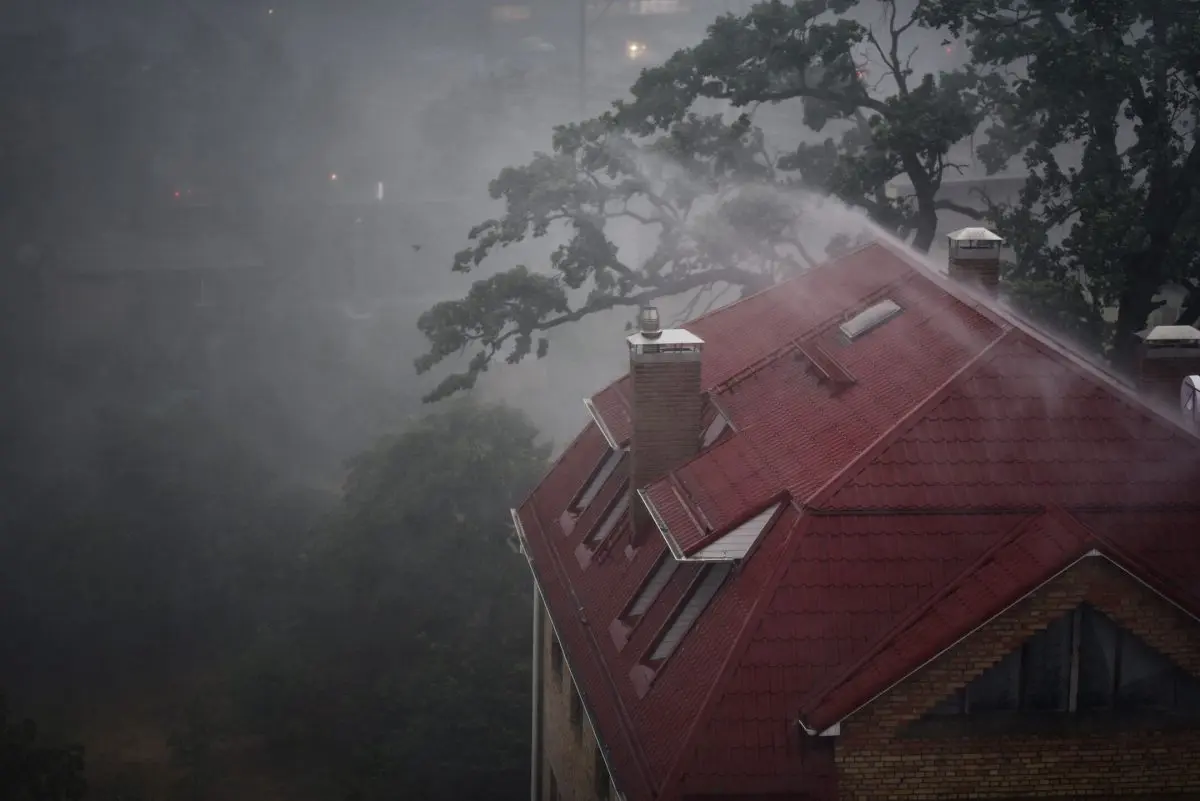
Wind is a constant concern in the Midwest, and in Le Claire, spring and summer storms regularly test every shingle on the roof. A wind warranty covers shingle damage caused by winds up to a stated speed, provided the roof was installed to manufacturer instructions. CertainTeed’s Landmark shingles carry a 15 year 110 mph wind warranty, with an upgrade available when CertainTeed starter and hip and ridge products are used.
- Speed limits: Coverage applies only up to the wind speed stated in your warranty.
- Installation matters: Proper nailing and matched starter and ridge products are often required to qualify.
5. Algae Resistance Warranty
Dark streaks across a roof are usually algae, and they can make a newer roof look neglected long before it actually is. Algae resistant shingles carry a separate warranty that addresses that discoloration for a stated number of years, and it applies to algae resistant versions of the product. If you want that protection, confirm your exact shingle before installation begins so the right coverage is in your contract.
- What it covers: Streaking and discoloration caused by algae growth on qualifying shingles.
- Check the label: Algae resistance varies by product, so confirm the specific shingle named in your agreement.
How the 5 Warranty Types Compare
Seeing the types side by side makes it easier to spot gaps in your own coverage. Each one answers a different question about who is responsible when something fails.
| Warranty Type | Issued By | Main Focus |
| Manufacturer | Shingle manufacturer | Product defects |
| Workmanship | Roofing contractor | Installation errors |
| System or extended | Manufacturer, through a certified contractor | Product, labor, and matched components |
| Wind | Manufacturer | Wind damage up to a stated speed |
| Algae resistance | Manufacturer | Streaking on algae resistant shingles |
What Most Roof Warranties Do Not Cover
Even strong warranties have limits, and the exclusions are where most claims get denied. Reading them before you need them saves frustration later.
- Normal wear: Gradual aging and weathering are expected over time and are not treated as defects.
- Neglected maintenance: Many warranties expect reasonable upkeep, and damage tied to neglect can be excluded.
- Alterations by others: Work by another contractor or third party after installation can void workmanship coverage.
- Storm damage: Hail, fire, and similar events are usually handled through homeowners insurance rather than a warranty.
Common FAQs About Your Roof Repair Warranty

Homeowners tend to discover their warranty questions at the worst possible moment, usually after a leak appears. The answers below cover what comes up most often. If your situation feels unclear, your contractor should be able to walk you through your specific paperwork.
Does a roof warranty cover storm damage?
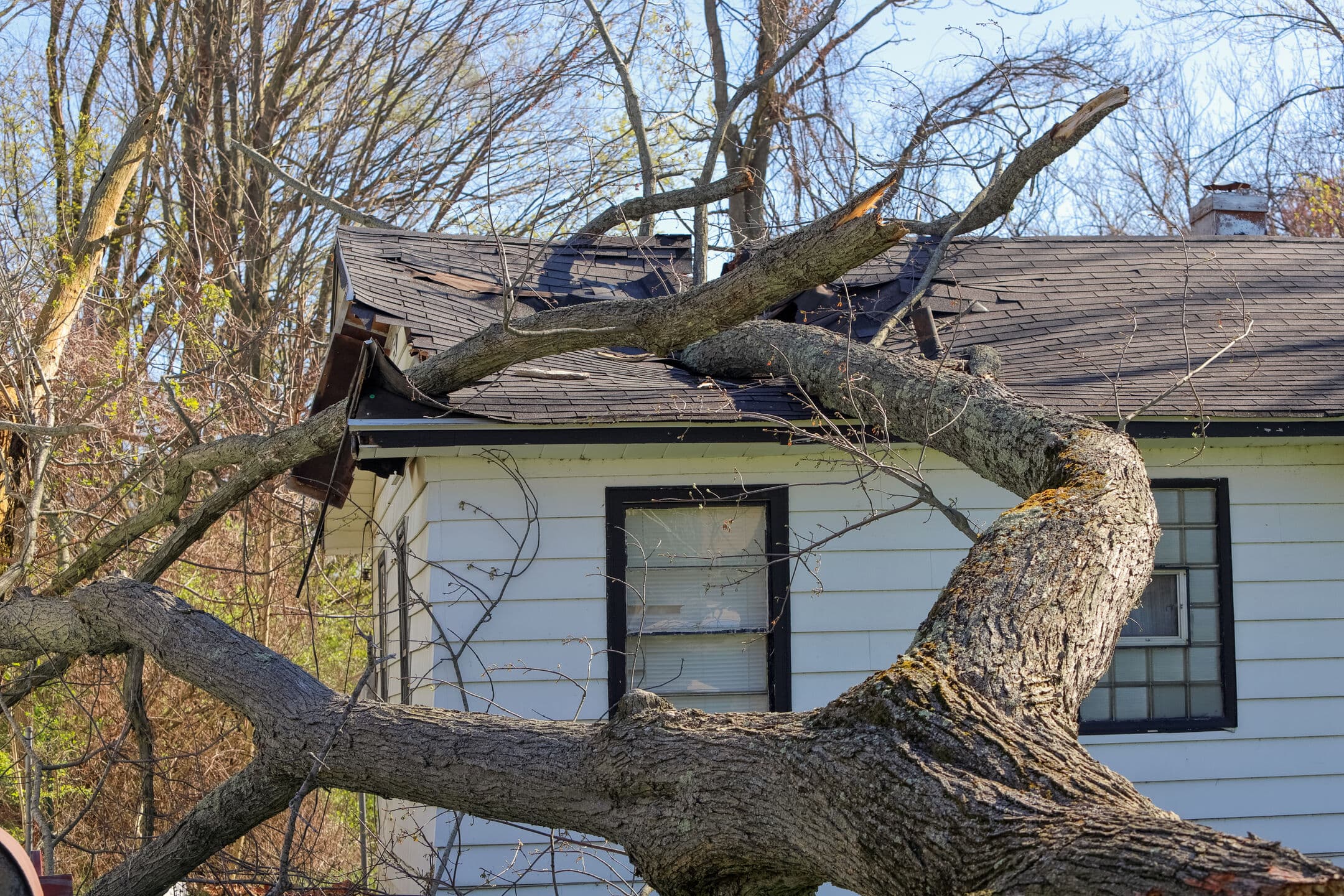
Usually not. Standard warranties address defects and installation errors rather than damage from hail, fallen trees, or severe weather, which is typically an insurance matter. A wind warranty is the exception, since it can cover wind damage up to the speed stated in your terms. If you suspect storm damage, document it with photos and contact your insurer, then have a roofing contractor inspect the roof.
Can I transfer my roof warranty to a new owner?
It depends on the warranty. Some manufacturer warranties transfer to a future homeowner, which can add confidence when you sell, while many contractor workmanship warranties do not transfer at all. Check the transfer terms in your paperwork and note any deadlines or fees. A transferable warranty is a real selling point, so it’s worth asking about before you sign a contract.
Will hiring another contractor void my warranty?
It can. Repairs or alterations made by someone other than your installing contractor may void workmanship coverage and, in some cases, parts of the manufacturer warranty. Before hiring anyone else for roof work, contact your original contractor and review your warranty terms. Keeping all repairs with a qualified, certified roofing contractor helps protect your coverage over the life of the roof.
What should I do if I think I have a warranty claim?
Start by documenting the problem with clear photos, then contact your roofing contractor before doing anything else. Avoid attempting repairs yourself, since that can affect your coverage. Keep your contract, warranty documents, and any inspection records handy so the claim moves quickly. A reputable contractor will assess the issue, identify the cause, and tell you which warranty applies.
Jansen Roofing Stands Behind Every Roof We Install
A warranty is only as strong as the company behind it. At Jansen Roofing, we’ve been protecting Quad Cities homes since 1988, and as a CertainTeed Premier Contractor we install roofs to manufacturer specifications so your coverage holds up when you need it. Our licensed and insured crews walk every Le Claire homeowner through the warranty options for their roof before any work begins, so you know exactly what is protected and for how long. When you’re ready for a roof you can count on, request your free estimate and our team will explain every detail.
I used the approved roofing page for the intro link. The up to 50 year workmanship warranty comes from the client brief, so confirm the exact terms and which systems qualify before publishing.