Roofing
Roof Underlayment Types Compared (2026 Ranked)
Most homeowners spend hours choosing shingles and almost no time thinking about what sits beneath them. That’s a mistake, because the right roof underlayment types protect your roof deck from moisture, wind driven rain, and ice long after the shingles go on. Choosing between synthetic, rubberized asphalt, and felt options affects cost, durability, and how well your roof handles harsh weather. If you’re planning a new roof system built from the deck up, this ranked comparison will help you ask better questions before work begins.
Here’s what this blog covers:
- What underlayment does: Why this hidden layer matters for every roof
- The 4 types ranked: Synthetic, rubberized asphalt, 30 pound felt, and 15 pound felt
- How they compare: Cost, protection, and best uses side by side
- How to choose: What to weigh for your climate, roof, and budget
- Common questions: Straight answers on code, lifespan, and ice protection
We’re proud to serve home and business owners in Long Grove, IA, and nearby communities with roofing, siding, and more.
What Roof Underlayment Does
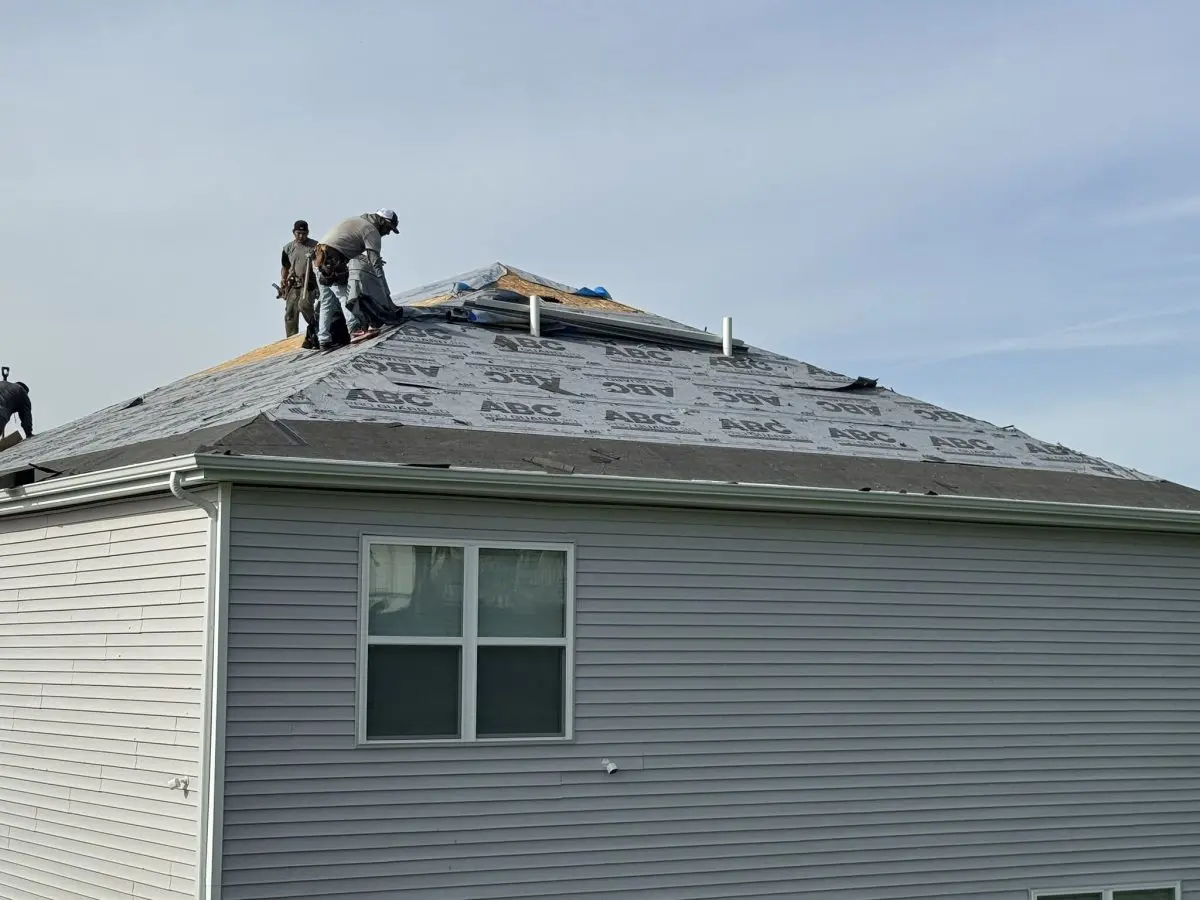
Roof underlayment is a protective layer installed directly over the roof deck and beneath the shingles. It acts as a secondary water barrier, catching any moisture that gets past the shingle surface. Without it, even a small crack or lifted tab can let water reach the wood below.
- Secondary moisture barrier: Blocks water that works past shingles during wind driven rain or ice dam conditions.
- Deck protection during installation: Shields the roof deck from weather while the crew completes the shingle work.
- Smoother shingle surface: Gives shingles a clean, consistent base so they lay flat and seal properly.
- Code and warranty support: Meets building requirements and helps satisfy manufacturer installation instructions.
Roof Underlayment Types Ranked for 2026
This ranking reflects what performs best for typical asphalt shingle roof replacements in the Midwest, where freeze thaw cycles, ice dams, and spring storms test every layer. Higher ranked options offer stronger protection, while lower ranked options trade performance for lower cost.
1. Synthetic Underlayment
Synthetic underlayment is made from woven or spun polymer fibers and has become the most popular choice for modern roof replacement. It resists tearing, stays flat, and handles temporary weather exposure during installation better than traditional felt. Because it’s lighter and less slippery underfoot, crews can install it faster and more safely, which makes it the best all around value for most asphalt shingle roofs.
- Strengths: Strong tear resistance, lighter weight, and better performance under exposure than felt.
- Tradeoffs: Costs more than felt, and exposure limits vary by product, so manufacturer instructions matter.
2. Rubberized Asphalt Underlayment

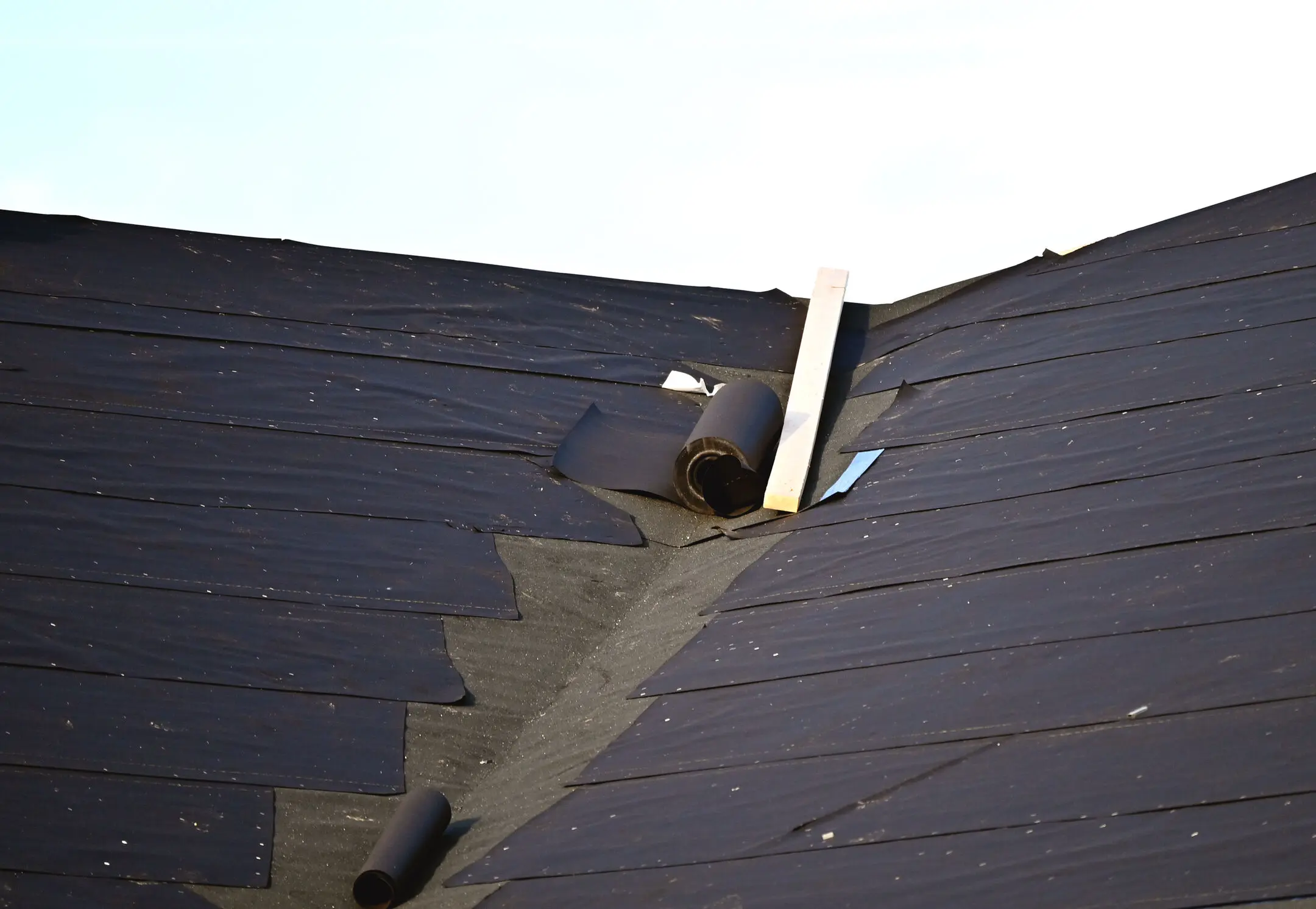
Rubberized asphalt underlayment is a self adhering membrane, often sold as ice and water shield, that bonds directly to the roof deck and seals around nails. The International Residential Code requires an ice barrier on asphalt shingle roofs in areas with a history of ice forming along the eaves, according to the City of Council Bluffs, Iowa roofing requirements. CertainTeed’s WinterGuard is one example of this type of waterproofing underlayment.
- Strengths: Seals around fasteners and offers the strongest protection against ice dams and wind driven rain.
- Tradeoffs: Highest material cost, and full coverage requires proper attic ventilation to avoid trapped moisture.
3. 30 Pound Felt Underlayment
Felt underlayment, sometimes called tar paper, is asphalt saturated paper that has protected roofs for generations. The heavier 30 pound version is thicker and more durable than 15 pound felt, which makes it a solid mid range option. It still absorbs moisture, can wrinkle when wet, and tolerates less exposure than synthetics, so it works best on roofs that will be covered with shingles quickly.
- Strengths: Lower cost, familiar installation, and better durability than lighter felt.
- Tradeoffs: Heavier to handle, prone to wrinkling, and less tear resistant than synthetic products.
4. 15 Pound Felt Underlayment
Fifteen pound felt is the lightest and least expensive underlayment, and it meets minimum requirements in many areas. It tears more easily, wrinkles when it gets wet, and offers the least protection if rain arrives before the shingles do. Homeowners choosing a long lasting roof rarely get the best value from this option, because the savings are small compared with the protection given up.
- Strengths: Lowest price and widely available.
- Tradeoffs: Thin, easily damaged, and the least forgiving during weather delays.
How Roof Underlayment Types Compare
Seeing the options side by side makes the tradeoffs easier to weigh. Relative cost and protection levels can vary by brand, but the general pattern holds across most products.
| Underlayment Type | Relative Cost | Water Protection | Best Use |
| Synthetic | Moderate | Strong | Field of the roof on most shingle roofs |
| Rubberized asphalt | Highest | Strongest, self sealing | Eaves, valleys, low slopes, and penetrations |
| 30 pound felt | Lower | Moderate | Budget focused projects with fast shingle installation |
| 15 pound felt | Lowest | Basic | Minimum code applications |
How to Choose the Right Underlayment
The best underlayment depends on your climate, your roof design, and what your shingle manufacturer requires. A good roofing contractor will recommend a layered approach rather than a single product for every square foot.
- Climate: Freeze thaw cycles and ice dams in Long Grove favor self adhering protection at the eaves and valleys.
- Roof pitch: Low slope sections often require double underlayment or a waterproof membrane under code.
- Shingle warranty: Manufacturer instructions may specify approved underlayment, and using the wrong one can affect coverage.
- Budget: Using synthetic across the field and rubberized asphalt at vulnerable areas balances cost and protection.
Common FAQs About Roof Underlayment Types
Underlayment questions usually come up once homeowners see it listed as a line item on an estimate. The answers below cover what we hear most often. If your roof has unusual features, your contractor can tailor the recommendation to your home.
Can I skip underlayment to save money?
No. Building codes require underlayment under asphalt shingles, and shingle manufacturers expect it as part of the roof system. Skipping it leaves the roof deck exposed to any moisture that gets past the shingles and can put your warranty at risk. The savings are small compared with the cost of repairing rotted decking, so a quality underlayment is one of the best investments in your roof.
How long does roof underlayment last?
Underlayment is designed to protect your roof for the life of the shingles above it, but it is not meant to be permanently exposed. Exposure limits vary by product, with synthetics generally tolerating more weather than felt before the shingles go on. When a roof ages out and is replaced, the old underlayment is removed and new material is installed to restore the full protective system.
Is synthetic underlayment worth the extra cost?
For most homeowners, yes. Synthetic underlayment costs more than felt, but it tears less, wrinkles less, and handles weather delays better during installation. Those advantages translate into a flatter shingle surface and stronger protection over time. If your budget is tight, a practical approach is synthetic across the main roof with rubberized asphalt at the most vulnerable areas.
Do I need ice and water shield across the entire roof?
Not always. Ice and water shield is most important along the eaves, in valleys, around chimneys and skylights, and on low slope sections where water backs up. Many roofs use it only in those areas and pair it with synthetic underlayment elsewhere. Your roofing contractor will follow local code and manufacturer instructions to decide how much coverage your home needs.
Jansen Roofing Builds Every Roof From the Deck Up
A roof is only as strong as the layers you can’t see. At Jansen Roofing, we’ve been protecting Quad Cities homes since 1988, and as a CertainTeed Premier Contractor we install every roof system to manufacturer specifications, from underlayment and flashing to shingles and ventilation. Our licensed and insured crews explain every material choice to Long Grove homeowners before work begins, so you know exactly what is protecting your home. When you’re ready for a roof built the right way, contact our team to schedule your free estimate.
The ranking reflects typical asphalt shingle replacements in the Midwest. I used the approved roofing page for the intro link, and the verified fact comes from the City of Council Bluffs, Iowa, since local code requirements can vary by community.